 Known to be toxic - Toxic if ingested (can cause mild GI upset).

Plant Names

Chelone glabra
White Turtlehead
Galane glabre
Synonyms
snakehead
Plant Characteristics
Bloom Colour: White
Bloom Period: Aug - Oct
Max Height: 5.0 feet
Max Width: 3.0 feet (spreads by rhizome)
Light Condition:
 More than 6 hours of direct sun a day
Soil conditions:
More than 6 hours of direct sun a day
Soil conditions:
 Tolerates wet soil condition
More than 6 hours of direct sun a day
Tolerates wet soil condition
Lifespan:
Perennial
plants that will come back year after year
Gardener Experience:
 Suitable for beginner gardeners
 Does not spread uncontrollably
 Spreads by rhizome
Suitable for beginner gardeners
Does not spread uncontrollably
Spreads by rhizome
Landscape Uses:
 Suitable for rain gardens
 Suitable for shoreline rehabilitation
 Suitable for school gardens
Suitable for rain gardens
Suitable for shoreline rehabilitation
Suitable for school gardens
Ecological Benefits:
No ecological benefits information available.
Tolerates:
 Deer resistant
 Rabbit resistant
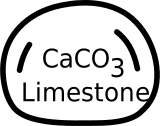 Tolerates limestone conditions
 Tolerates juglone conditions
 Tolerates transplantation
Deer resistant
Rabbit resistant
Tolerates limestone conditions
Tolerates juglone conditions
Tolerates transplantation
Special Features and Considerations:
Seed and plant distribution status
No seeds available for this plant.
We currently accept seeds for this plant
Plant Location
Native to Ottawa region: Yes
Distribution according to VASCAN
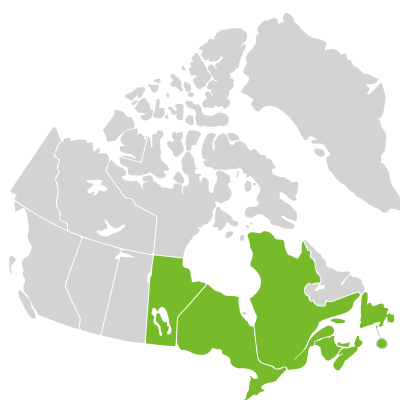
Ephemeral
Native
Introduced
Excluded
Extirpated
Doubtful
Absent
 Canadensis

Thrives in Ecozones
- Atlantic Maritime
- Boreal Plains
- Boreal Shield
- Mixed Wood Plains
Ecological Benefits
Butterflies Supported by Chelone glabra
-
Euphydryas phaeton
Baltimore Checkerspot - Baltimore
Specialized Bees Supported by Chelone glabra
No bee data available for this plant.
Complementary Plants
- Gentiana andrewsii
Closed Bottle Gentian
Gentiane d'Andrews - Geum rivale
Water Avens
Benoîte des ruisseaux - Iris versicolor
Harlequin Blue Flag Iris
Iris versicolore - Scirpus pendulus
Hanging Bulrush
Scirpe pendant - Scutellaria lateriflora
Mad-dog Skullcap
Scutellaire latériflore
Substitute For Non-Native Plants
- Butomus umbellatus (Flowering Rush)
- Iris pseudacorus (Yellow Iris)
- Iris (Iris Cultivars)
Sowing Information
Download Seed Envelope Labels (PDF)
- Sowing depth: Sow just below surface
- Sow by January
- Stratification duration: 90 days
Harvesting and Seed Sharing
- Harvest start month: November
- Harvesting indicator:
- Pods are brown and slightly open
- Harvesting:
- Cut stem (including pods), let air dry in paper bag, then shake seeds off after a few days
- Seed viability test:
- No test needed before donating
- Packaging measure: 1 rounded 1/8 teaspoon
- Seed storage:
- Air dry in paper bag or open container, for a few days until crisp
- Shake seeds to move them once in a while to prevent molding
- Cultivar: Yes, do not donate unless you know source, and there are no known cultivars in your garden or at proximity
- Remove non-seed material
- Harvesting video: Watch here
Toxicity Notes
Toxic if ingested (can cause mild GI upset).